
-
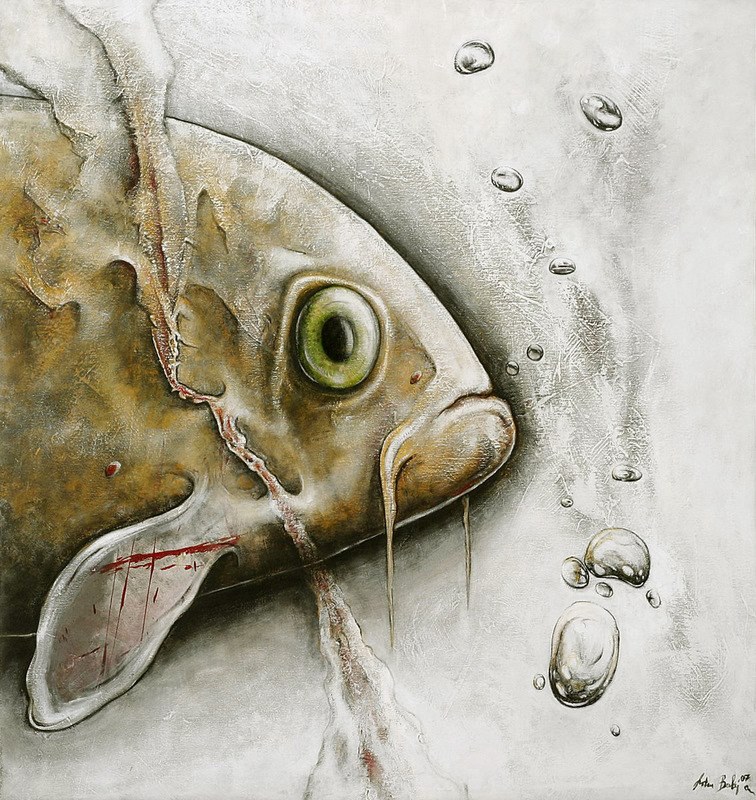
"Wish you were here I"
-
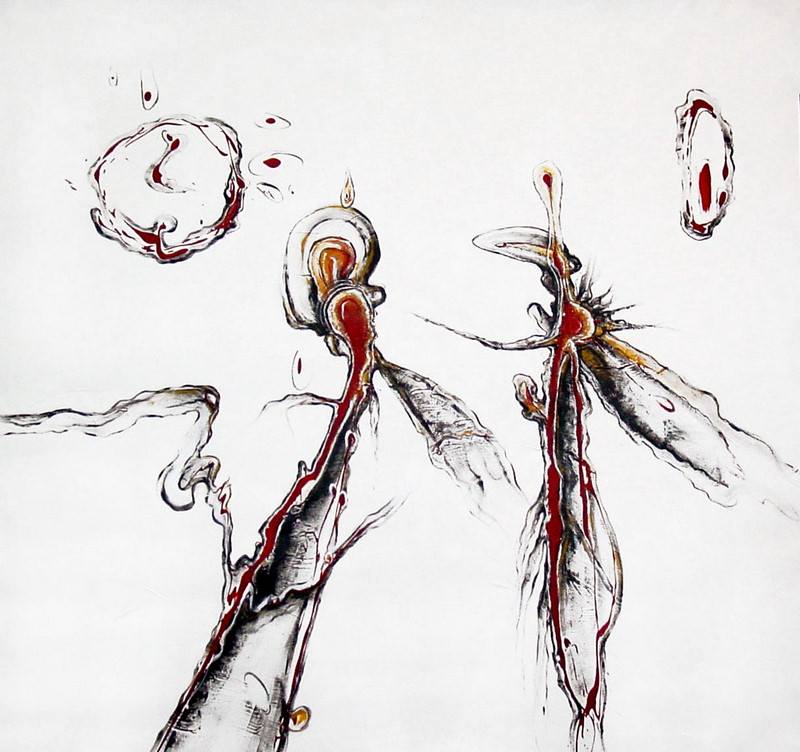
"Sextreme III"
-
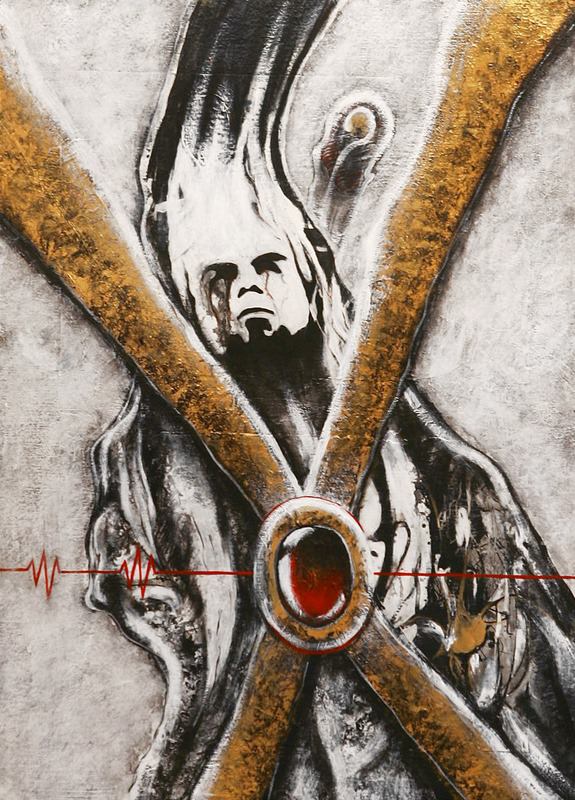
"Everything dies"
-
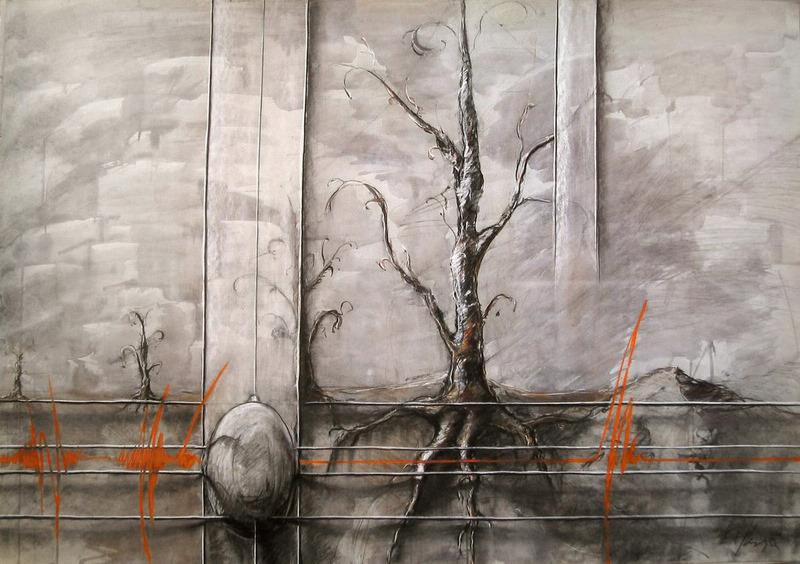
"Firewall"
-
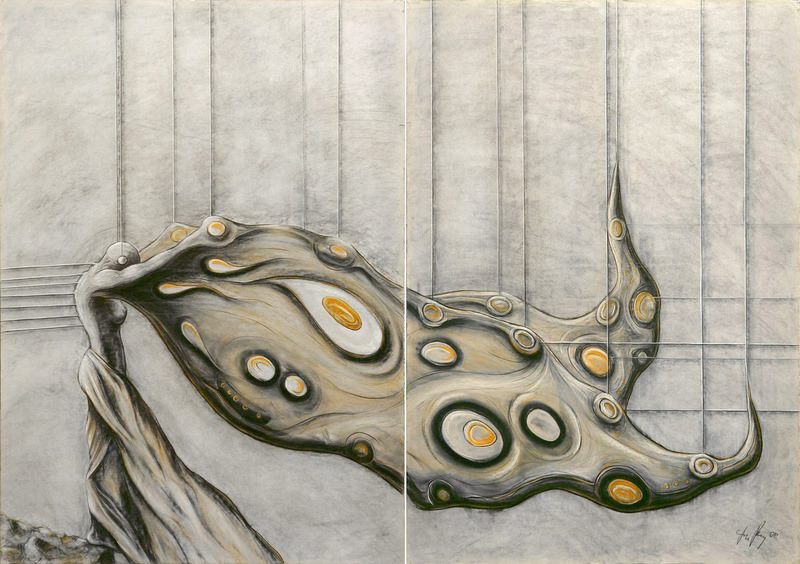
"Living on the edge"
-
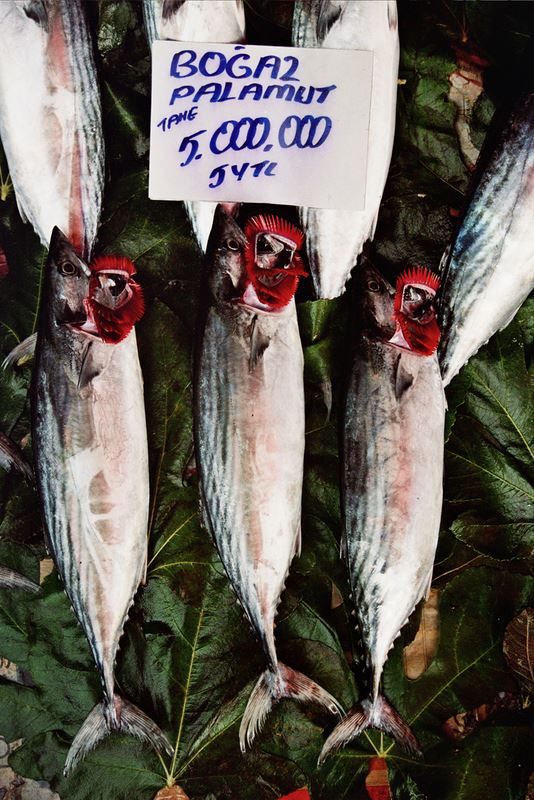
"Wish you were here III"
-
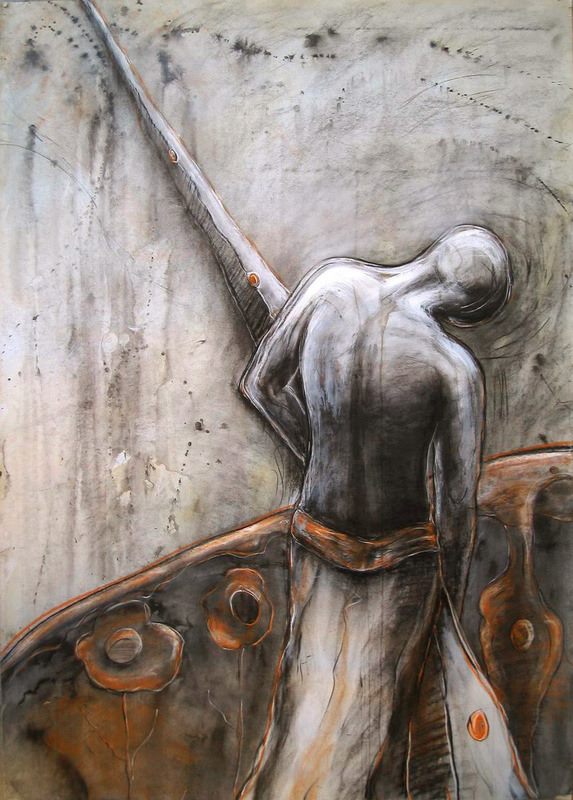
"Passion"
-
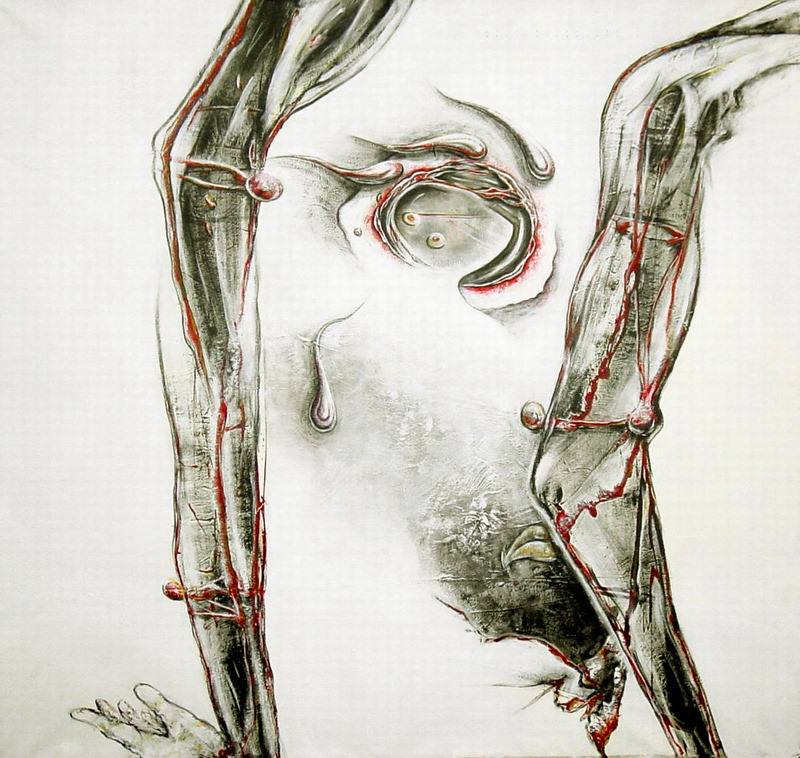
"Sextreme I"
-
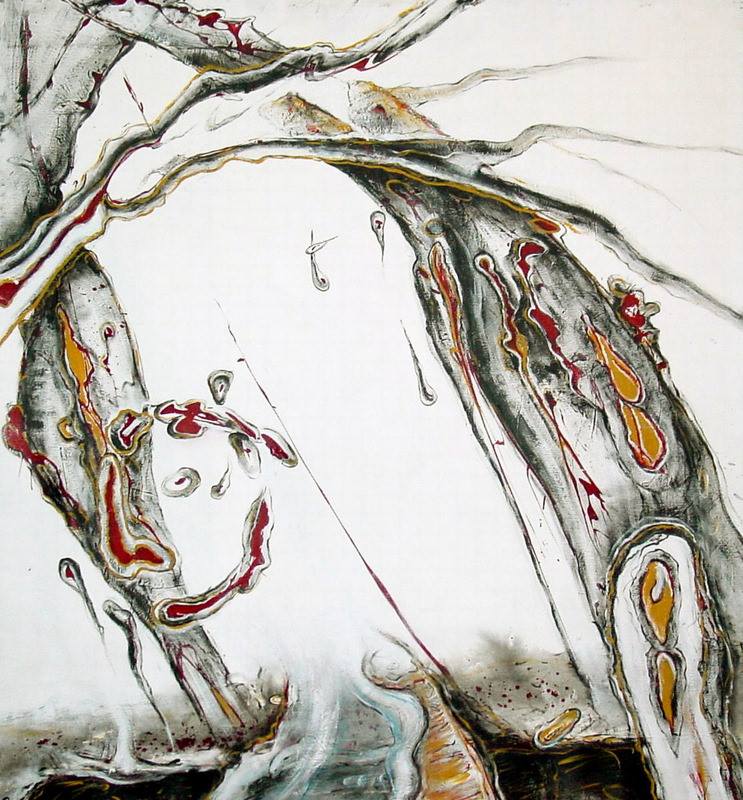
"Sextreme II"
-
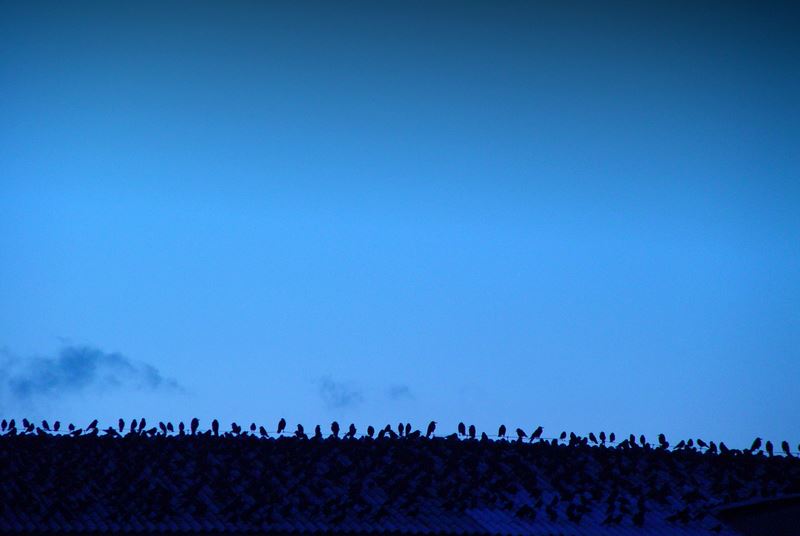
"Amselfeld VI"
-
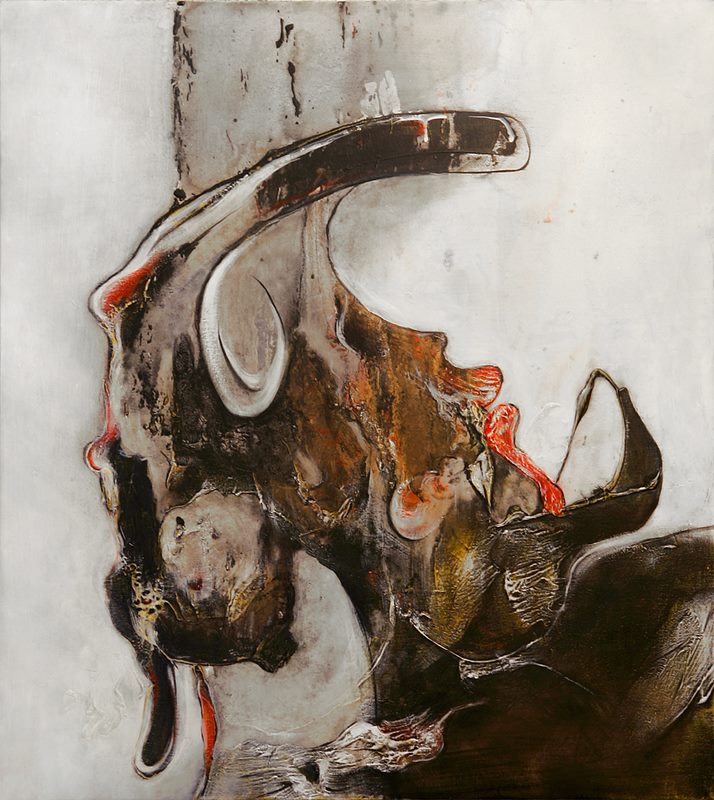
"Space man"
-
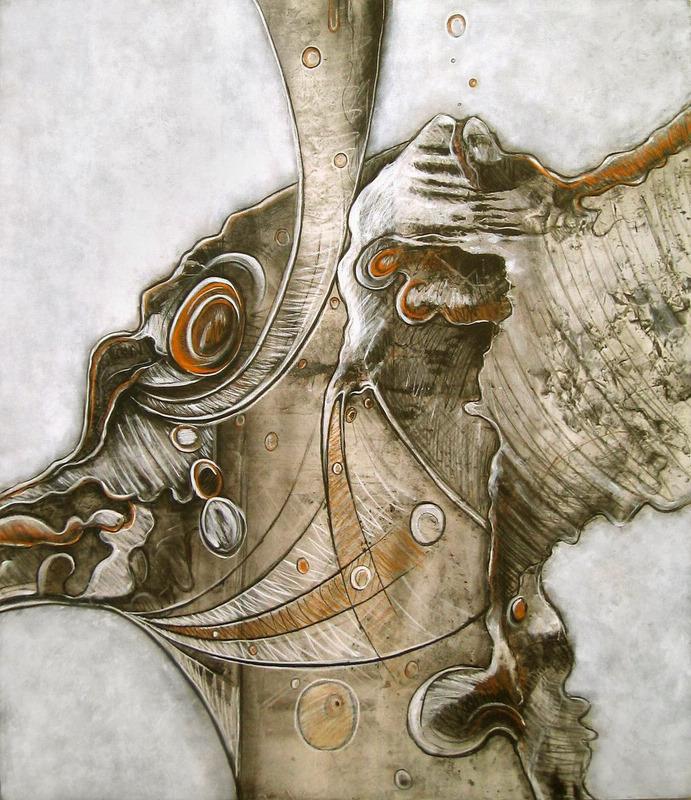
"Vox I"
-
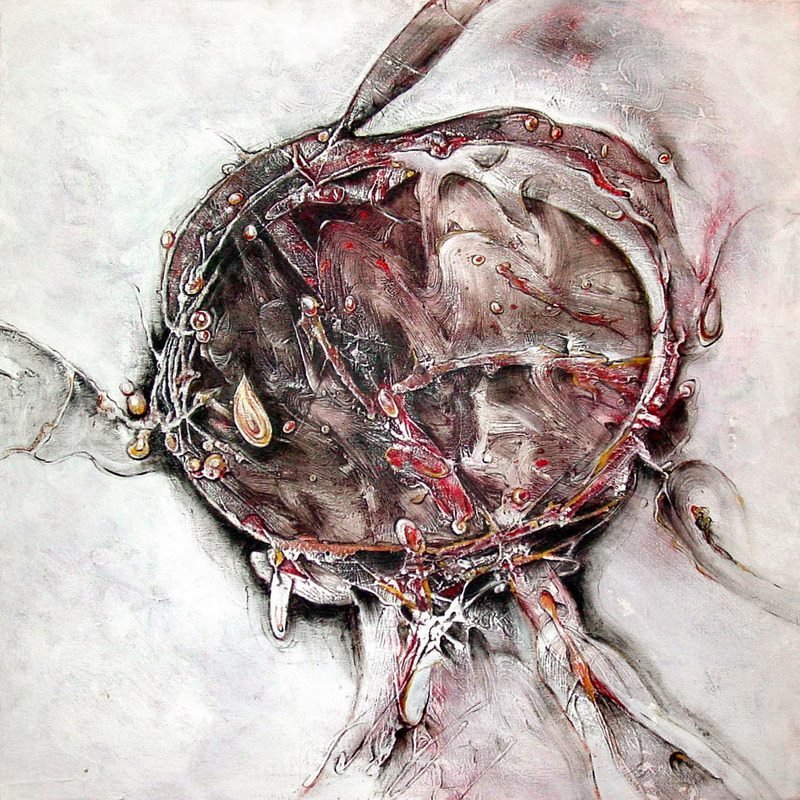
"Vox II"
-
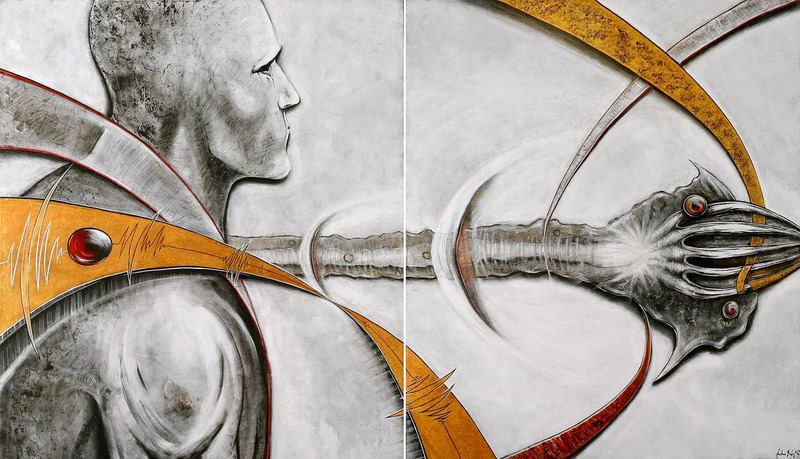
"Duke shikuar muzikën e shekullit XXI"
-
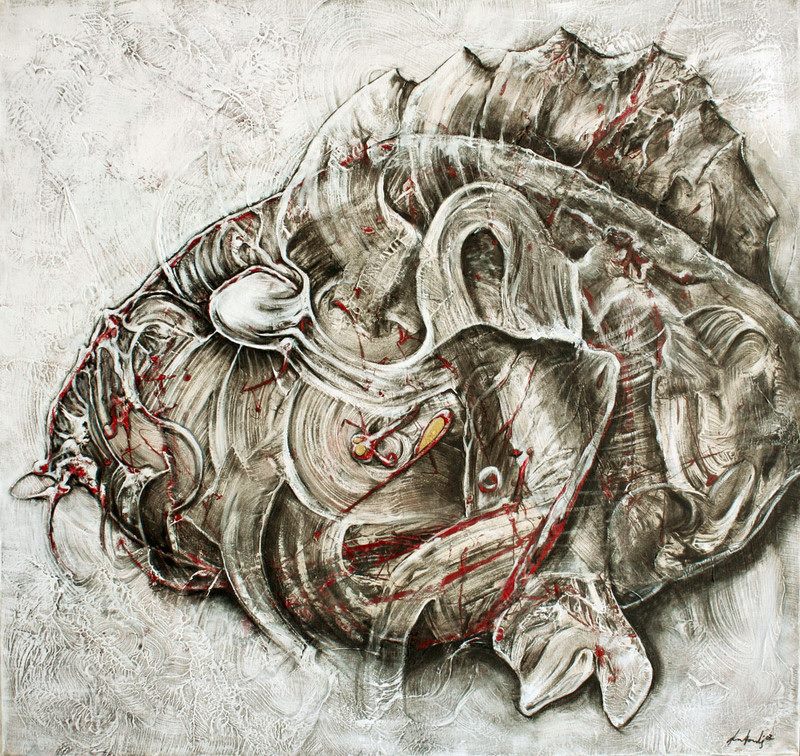
"Wish you were here II"
-
"Wish you were here III"
-
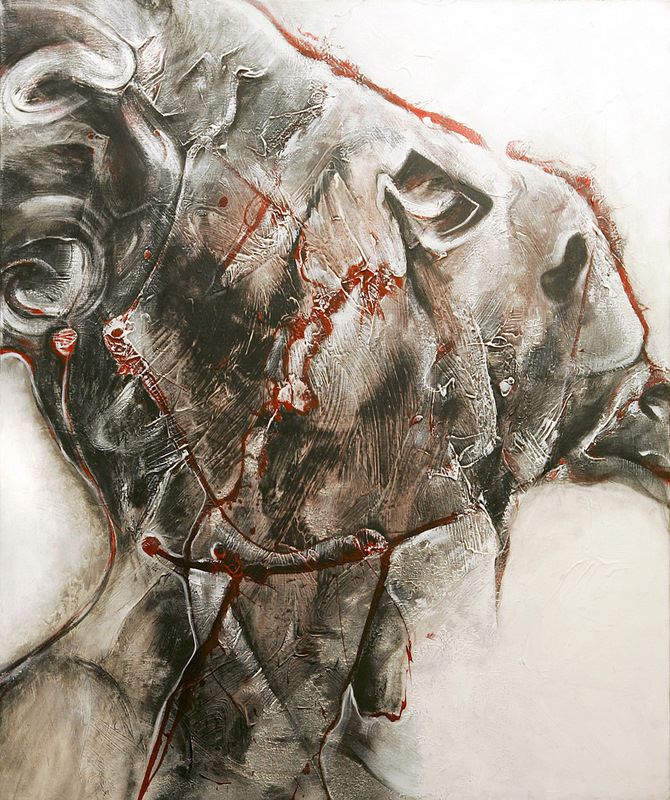
"The philosopher I"
-
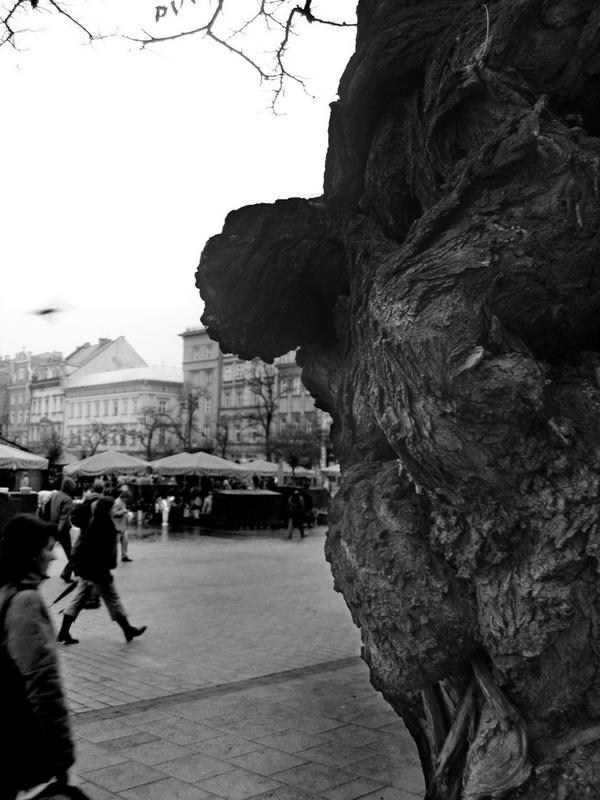
"The philosopher II"
-
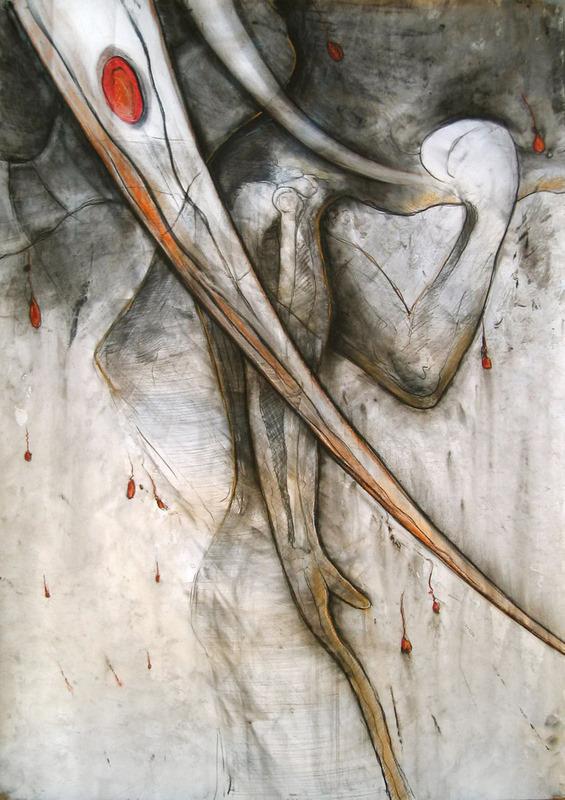
"Scratch the surface I" Dim: 100x70 Tech.: Mixed media on paper
-
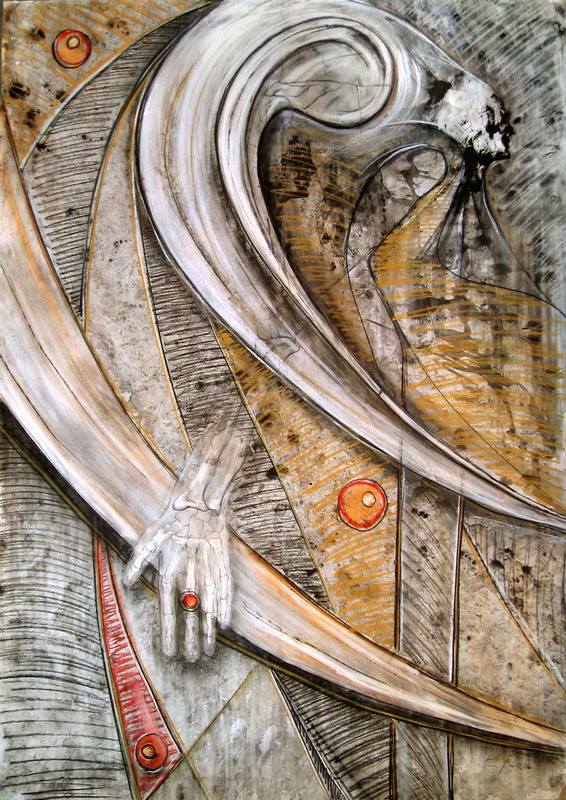
"Scratch the surface II"
-
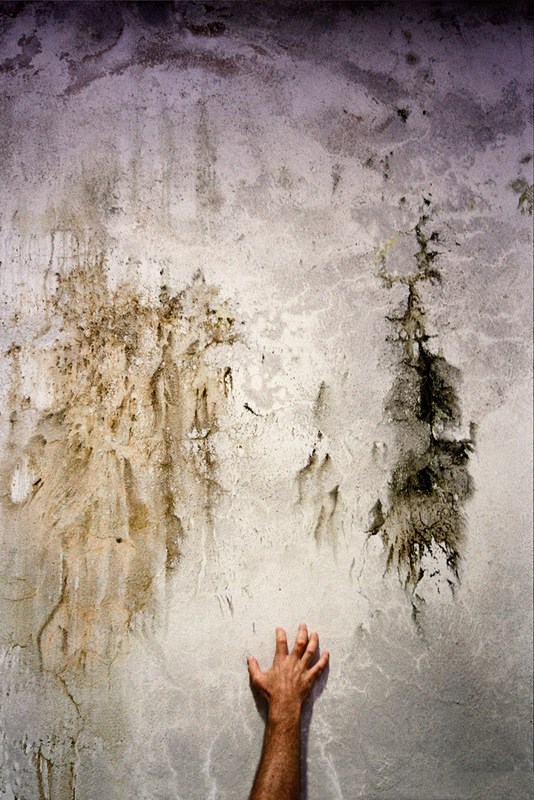
"Scratch the surface III"
-
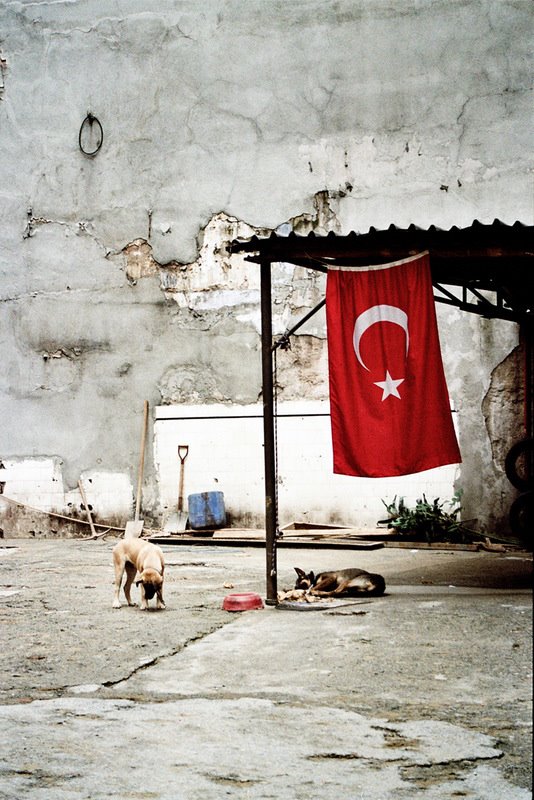
"Waiting for the sun"
-
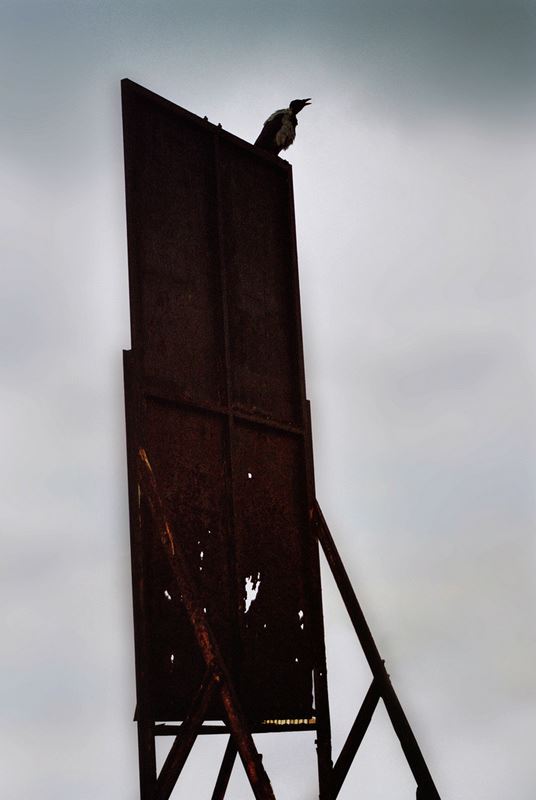
"Amselfeld IV"
-
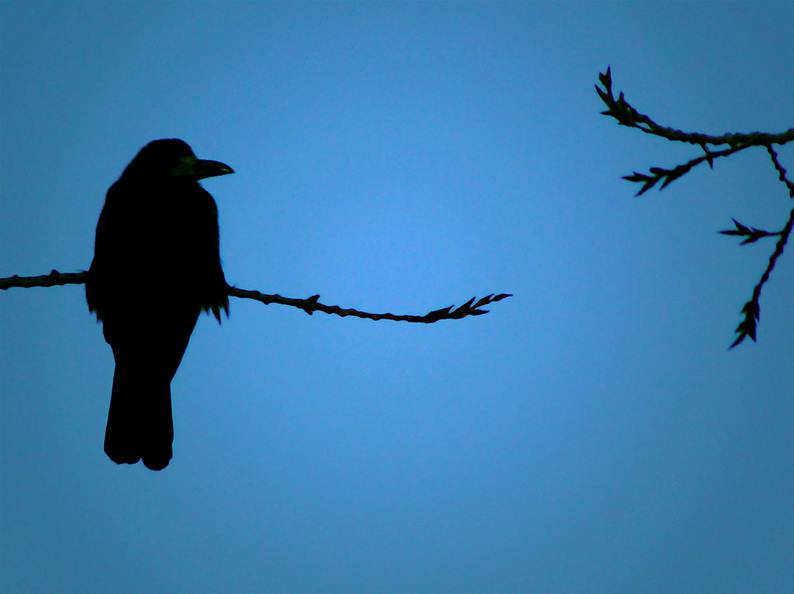
"Amselfeld V"
-
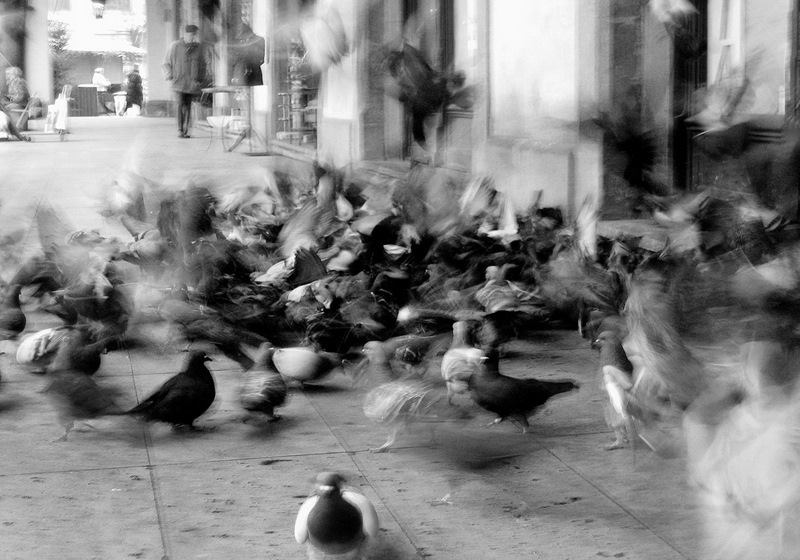
"Fly Away"
-
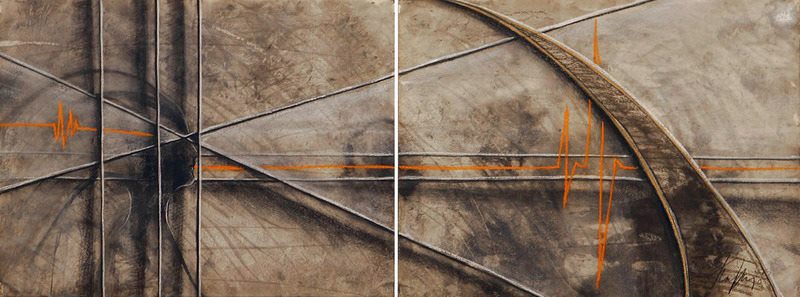
"Loser"
-
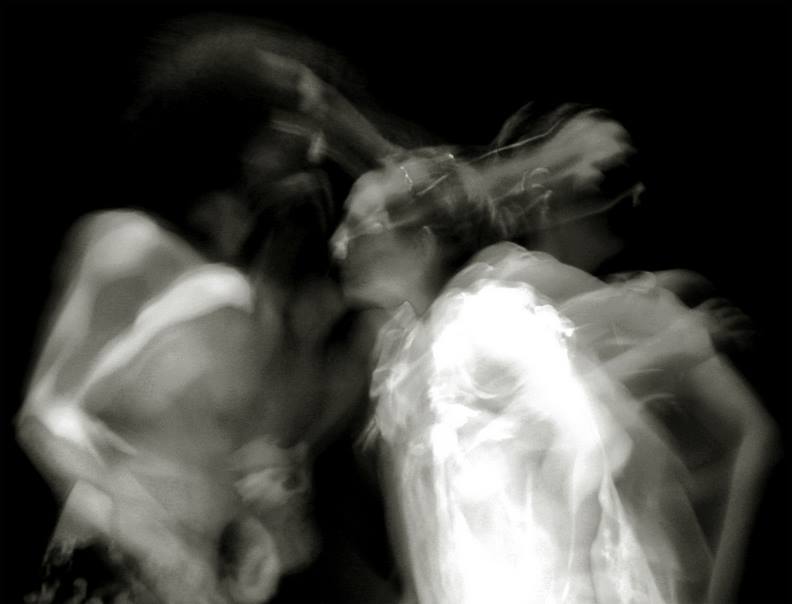
"Other Side"
Short description of the project Urban Culture & Subcultures
“The Others” Prishtinë/Kosova 2007
“Urban Culture and Subcultures II” Nowy Targ/Poland 2007
“Urban Culture and Subcultures III” Aiud/Romania 2007
Project Urban Culture & Subcultures specifications:
Solo exhibition “The Others” Prishtinë/Kosova
TV debates “Outsider” in RTK Radio Televizioni i Kosoves
Concert with different types of music (different subculture)
and my Master thesis
This project deals with subcultures and their impact on the art scene and everyday life. The contributions of subcultures into the mainstream “culture”, its advantages or obstacles in everyday life, works, society, etc.The goal is to increase public awareness towards the subcultures present in Kosovo and emphasize their importance, as well as reviewing their contribution and impact on Kosovo’s urban culture in particular. Art plays a significant role in improving the quality of life in many ways. For instance through helping a society integrate its various elements by exchange between different cultural levels.Over the last decade, many cities in Kosovo have experienced the emergence of a new urban identity, due to the very rapid development of urban areas. Not to mention the blooming of Prishtina, which’s size doubled-up in less than a decade.The diversity in city “lifestyles” is particularly distinguished in clothing, music and sometimes simply by behaving or feeling “different”. Many urban trends are now represented, comparable to developed cities in the West. Borrowed massively from the media, these new codes and new ways of life got widely adopted by large groups, in search for “coolness”, challenging the traditional cultural values.
People leaning towards urban cultures and subcultures are identified as “others” or “outsiders” and referring to this fact the exhibition and the debate where accordingly named:
“The Others” the exhibition and “Outsiders” the public debate.
The outsiders are easily identified and differentiated by their life style, including clothing, hairstyles, body arts (tattoo, piercing), ideologies, and other various identifiable signs.
This project has three main activities: an Exhibition, Public Debate, and a Concert.
– Through a visual art exhibition “The Others”, it intends to present the influence of subcultures in visual arts and other forms of expression.
– Through a public debate “Outsiders” broadcasted on public TV (RTK), in which the idea is to gather and discuss views of young artists, representatives from different subcultures and professionals from different fields, regarding trends, subcultures and their impact on personal and artistic level.
Participants:
URBAN CULTURE / Moderator: Petrit Çarkaxhiu rock musician “Jericho”, architect & radio speaker.
Key speakers in the debate: Skender Boshtrakaj – cultural, youth policy expert (MCYS), Fahredin Shehu – writer, Ereblir Kadriu – sociologists, Artan Balaj – visual artist, Jeton Budima – producer, Krenare Rugova – fashion designer, Ari – Urban FM radio director, Enes Baxhaku – Pro Tattoo body art and Bekim Llalloshi – architect.
SUBCULTURES / Moderator: Petrit Çarkaxhiu rock musician “Jericho”, architect & radio speaker.
Key speakers in the debate: Petrit Selimi – antropolog, Armend Xhaferi – jazz musician, Ardian Mehmeti – Editor in chief of Hard Rocker’s magazine, Toton – DJ, Alban Nimani – alternative rock musician and Shkumbim Brestovci – punker.
– Through a concert, in an attempt to present and promote the diversity of urban subcultures in Prishtina.
Participants in the Concert: Asgje Sikur Dielli, Troja, Armend Xhaferi band, Rona Nishliu and DJ Toton
Artan Balaj
Visual artist & project manager of the project
The Glorification of Divine image
What he wants to tell us with his language of colors and creativity is akin to silent infrasonic chiming with the images from within projected into canvas. Artan Balaj emerges in the time when visual Arts in Kosova oscillates between visible and invisible, lethargy and peculiar rebellion, between that in what we are used to name traditional and contemporary. His seal stamps idiosyncratic accent to transform drawings from classicism into shape and fussed medium that he consumes with the articulated craftsmanship and inspiration from real, surreal, till occultist abstraction. He has distinguished him from other artists in his quintessence, transcendental lyricism and urban engagement for illumination of his art and similar in the hush and actual cultural paralyses.
From all what the art consumer might grasp; is esoteric, sacral dimension in the possible presentation of silent reality. This displays infra and ultrasonic vibrations in the form of drawing of electromagnetic waves of sound, which speaks us with the tongue of bells, to awake us from lethargy. This through reflections (Albedo effect), through fear, reality and meta-reality pulls as a theater curtain. This artistic language manifests collective silence on diverse phenomenon of biologic nature (spermatozoids and ovum), physical nature (sounds and forms), spiritual nature (fear, darkness and light) and optical (color, nuance and perspective) which emerges as a first material layer manifested in canvas.
What for me makes Artan Balaj, distinct, is a combination of styles, mediums, techniques, individual artistic liberty, courage and lyricism of this expression and absoluteness in his creativity, which inaugurates the tracks and offers options to newer generations, not pioneering in something new but as a proclamation of something different seeing plentitude of space in the artistic sky, to illuminate another star and glorify that Divine image.
Fahredin Shehu
May 2006-April 2007
Rahovec-Prishtine
Merging constructivist and geometric sensibilities, Artan Balajs black and white paintings evoke a sense of mystery and intrigue. The high contrast paintings rich tonal values reference the syntax of photography. Deconstructing the composition through the use of positive and negative space creates the illusion of a haunting imaginary landscape of the mind.
The visceral power of Artan Balajs mixed media works stems from his aggressive mark making. The violence with which he approaches his medium, references both the individual and communal histories of the war torn Kosovo.
Colette Copeland (USA)
May 2005, Arad – Romania